Floating the Lazy Rivers of Nebraska’s Spring-Fed Water World
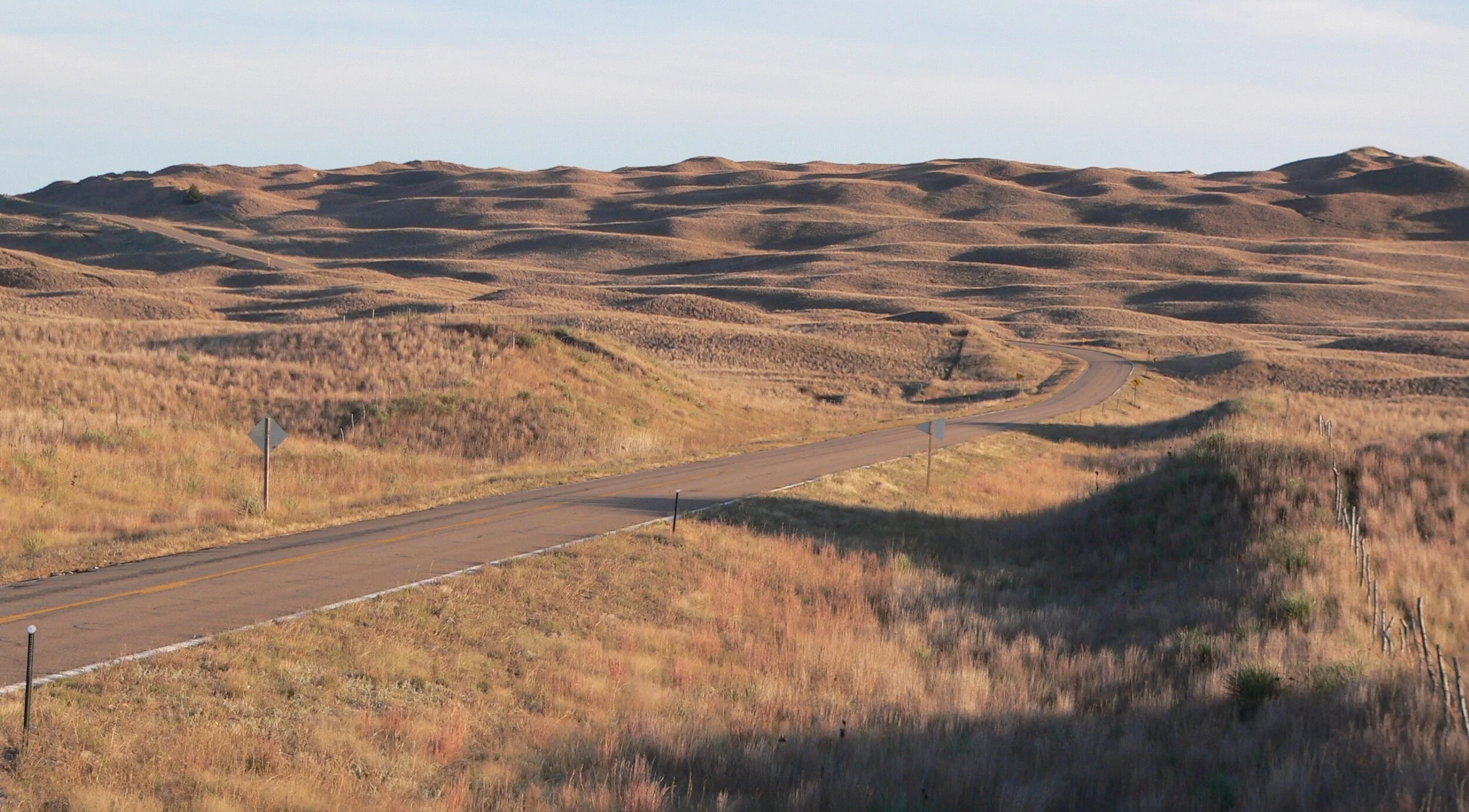
So the Rockies rose up, and the rivers bled out, and for roughly 15 million years, the last sandy dregs washed across the ancient savannas of north-central Nebraska, still busy with bear dogs and three-toed horses. Then the Ice Age dawned. The grass died back, the sand shook loose and the glacial winds swept it all together, sculpting the largest dunescape the Western Hemisphere has ever known, nearly 20,000 square miles and bright as Bondi Beach.
By the time humans first laid eyes on this bewildering terrain, the grass had largely reclaimed it, the rolling dunes now hemmed in place, some of them miles wide and as tall as the Pyramids, others mere hiccups on the horizon. The novelist Jim Harrison once called it “without a doubt the most mysterious landscape in the United States.”
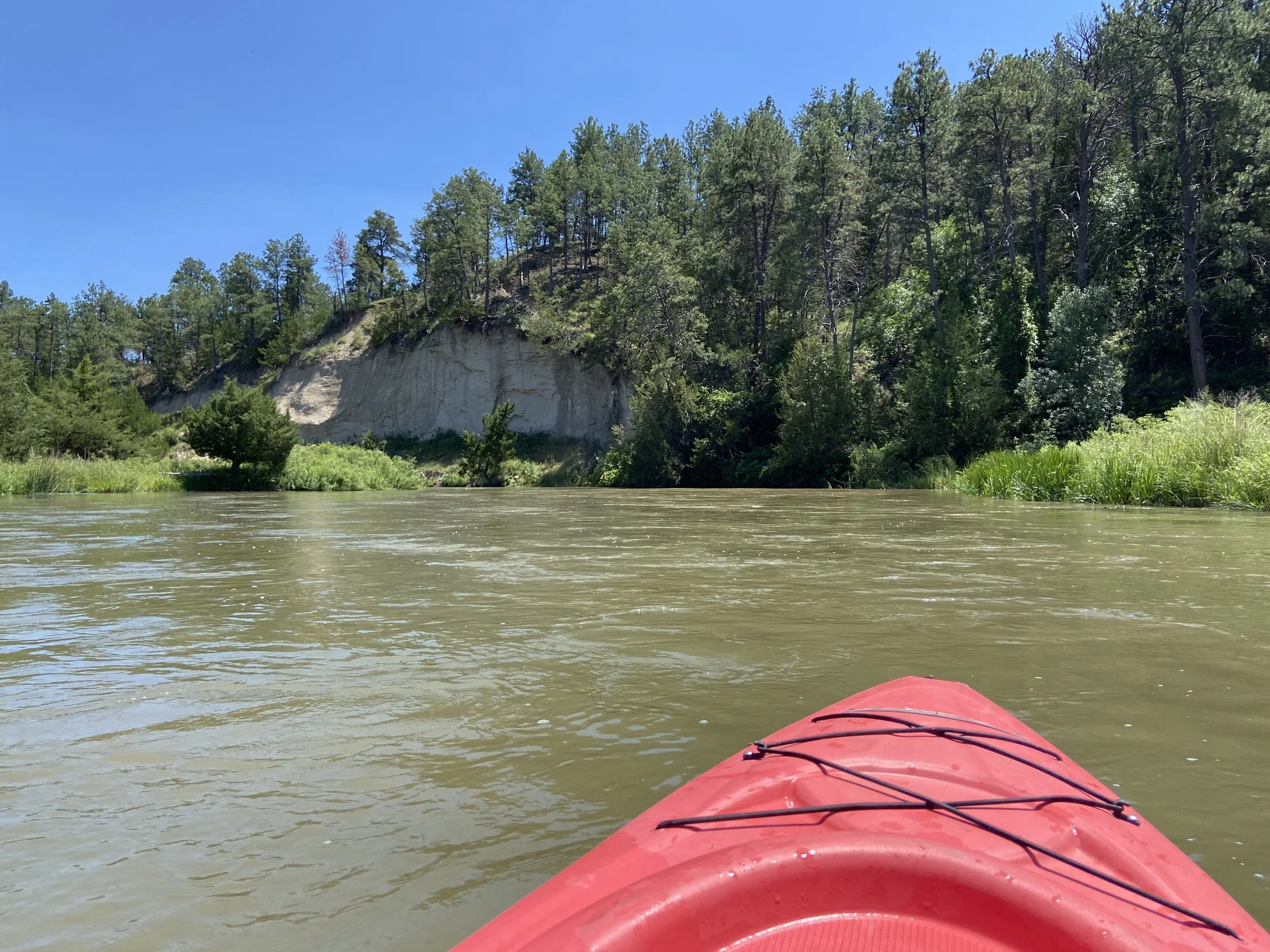
I was born and raised on the eastern fringe of this natural phenomenon — now the largest intact prairie in North America — in a cow town called Broken Bow, one of several self-appointed “gateways” to the Nebraska Sandhills. I’ve since moved to Chicago, but it’s the Sandhills I yearn for when the summer boils over. It’s the springs that gurgle up from the Ogallala Aquifer beneath it. The rivers that snake through the hills. The 1,600 lakes and untold marshes that fill the valleys. Nearly a tenth of the Sandhills, in fact, is wetland habitat — enough to blanket the entire state of Delaware.
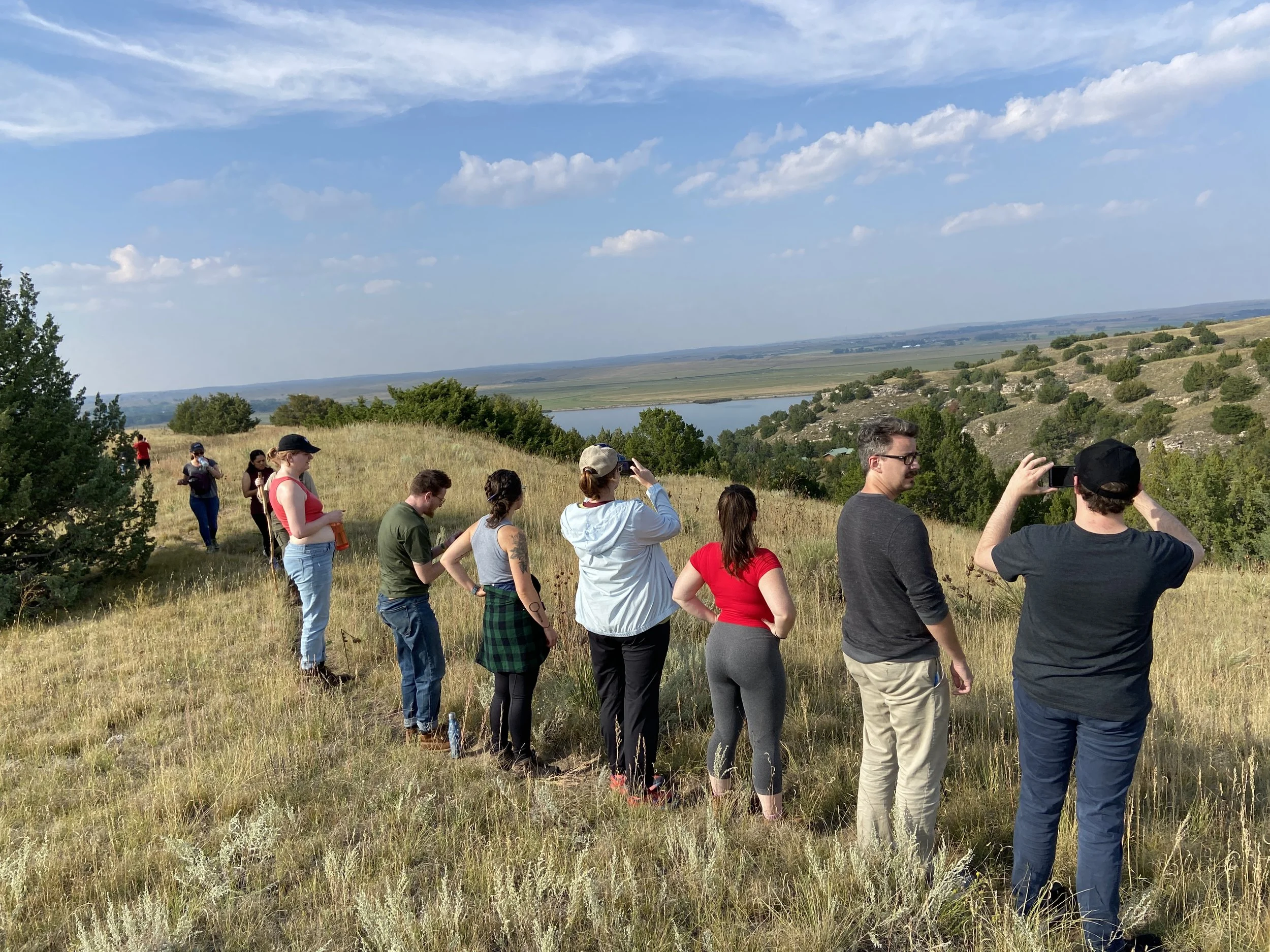
Most of the Sandhills is now private rangeland, and while many credit this fact with preserving such a novel ecosystem, it also keeps the casual tourist at bay. According to the Nebraska Tourism Commission, Nebraskans themselves account for roughly half of all trips to the Sandhills, and even then, they tend to hover around the edges. But for outsiders willing to explore, the region more than repays the effort, unlocking a time and place untouched by overcrowding and selfie tourism.